
 See My Latest Article on HelloNation
Starting a bodybuilding routine is less about using advanced exercises and more about building a repeatable schedule. A beginner plan should train all major muscle groups, allow enough recovery, use manageable weights, and progress gradually.
For residents of San Diego, the mild climate can make it easier to stay active throughout the year, but heat, limited home space, busy schedules, and inconsistent sleep can still affect training. The most effective routine is one that fits daily life well enough to continue for several months.
What should a beginner bodybuilding routine include?
A beginner routine should include exercises for the legs, chest, back, shoulders, arms, and core. It should also use basic movement patterns:
- Squatting or leg pressing
- Hip hinging, such as a Romanian deadlift
- Horizontal pushing, such as a push-up or chest press
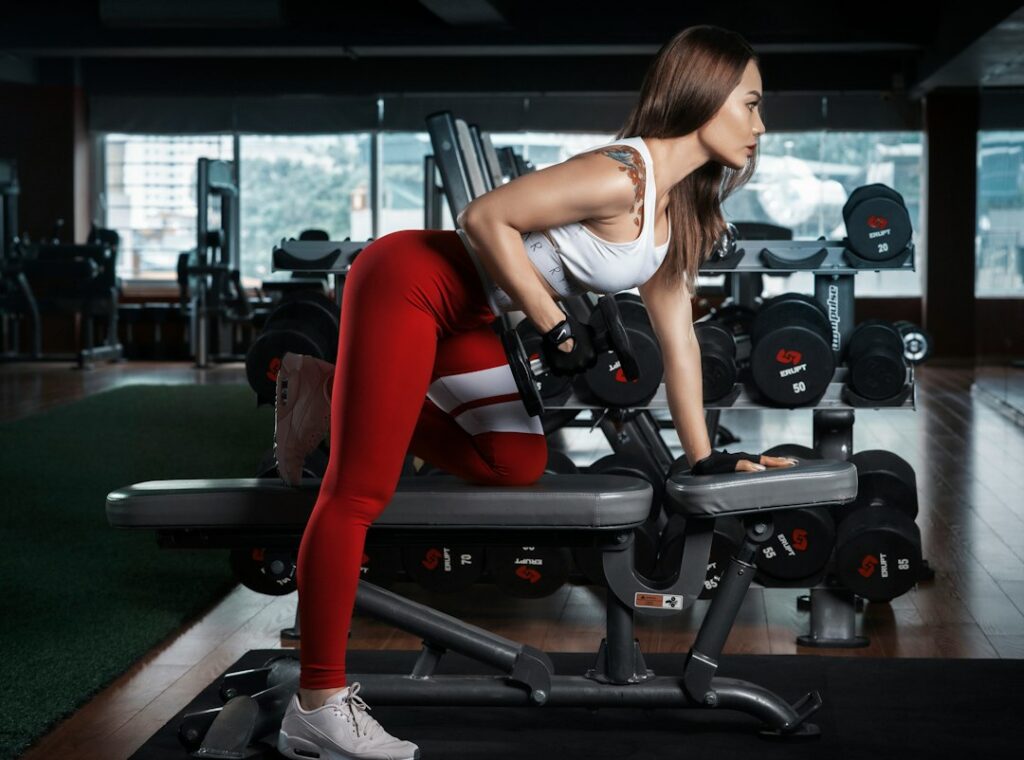
- Horizontal pulling, such as a cable or dumbbell row
- Vertical pushing, such as an overhead press
- Vertical pulling, such as a pulldown
- Bracing and controlled trunk movements
Training two or three days per week is enough to make meaningful progress at the beginning. Full-body workouts are often practical because each muscle group receives regular practice without requiring a complicated schedule.
A useful starting target is one to three working sets per exercise, with approximately 8 to 12 controlled repetitions. The final repetitions should feel challenging, but form should remain consistent.
Is a two-day or three-day schedule better?
The better schedule is the one that can be followed consistently. Two days per week can work well for a person with limited time, while three days may provide more practice and slightly more training volume.
A simple two-day schedule could look like this:
Workout A
- Goblet squat or leg press: 2 sets of 8–12 repetitions
- Dumbbell bench press or push-up: 2 sets of 8–12
- Seated row: 2 sets of 8–12
- Romanian deadlift: 2 sets of 8–12
- Plank: 2 controlled holds
Workout B
- Split squat or machine squat: 2 sets of 8–12 repetitions
- Overhead dumbbell press: 2 sets of 8–12
- Lat pulldown: 2 sets of 8–12
- Hip thrust or glute bridge: 2 sets of 10–15
- Side plank or dead bug: 2 sets per side
Leave at least one rest day between workouts when possible. A three-day plan can alternate the same two sessions, such as Workout A, Workout B, and Workout A during one week, then reverse the order the following week.
How heavy should the weights be?
Start with a weight that allows the full repetition range while leaving approximately two or three good repetitions in reserve. Beginners do not need to test a one-repetition maximum. Maximal lifting can increase fatigue and make technique harder to evaluate.
A practical starting process is:
1. Choose a light weight for the first set.
2. Perform the exercise slowly and through a comfortable range of motion.
3. Add a small amount of weight only if the movement remains controlled.
4. Record the weight, repetitions, and any discomfort.
If the target is 8 to 12 repetitions, increase the resistance after completing 12 repetitions on every set with good form. The increase can be small, especially for exercises involving the shoulders or arms.
Progress does not always mean lifting heavier. It can also mean completing an extra repetition, improving control, using a fuller range of motion, or performing the same workload with less fatigue.
How should a beginner warm up?
A warm-up should prepare the body without exhausting it. Five to ten minutes of easy movement followed by a few practice sets is usually sufficient.
A beginner might use:
- Easy walking, cycling, or other light aerobic movement
- Gentle joint movements for the shoulders, hips, and ankles
- One or two lighter sets before the first demanding exercise
Static stretching is not required before every lifting session. More useful preparation usually comes from gradually rehearsing the movements that will appear in the workout.
In warmer conditions, avoid treating sweating as proof of an effective workout. A cool indoor space, adequate water, and training during a cooler part of the day may improve comfort and concentration. Outdoor workouts also require attention to hot surfaces, direct sun, and signs of overheating.
How long should a workout take?
A beginner full-body workout generally takes about 35 to 60 minutes. Rest for roughly one to three minutes between challenging sets, using more rest for demanding leg exercises and less for lighter movements.

The session should not become a race. Rushed repetitions can reduce control and make it difficult to identify whether a problem comes from the weight, technique, or fatigue.
A basic session structure is:
- Warm-up: 5–10 minutes
- Main lower-body exercise: 10 minutes
- Push exercise: 8–10 minutes
- Pull exercise: 8–10 minutes
- Secondary leg or hip exercise: 8–10 minutes
- Core work and brief cooldown: 5 minutes
People training at home can substitute resistance bands, adjustable dumbbells, a sturdy chair, or body-weight exercises. The equipment matters less than having a safe setup and a method for gradually increasing difficulty.
How much cardio should be included?
Cardio can support general health, work capacity, and recovery, but it should not interfere with strength training. Beginners can add walking, cycling, swimming, or another enjoyable activity on separate days or after shorter lifting sessions.
Federal activity guidance recommends muscle-strengthening activity at least two days per week, along with regular moderate-intensity aerobic activity. Someone beginning from a mostly inactive routine can build gradually rather than trying to reach the full target immediately.
In San Diego, walking outdoors may be convenient for many residents, but temperature, sun exposure, and air quality can change the practical choice from day to day. Indoor movement is a reasonable alternative when outdoor conditions are uncomfortable.
What should a beginner eat for muscle growth?
Muscle gain requires adequate total food, protein, carbohydrates, and sleep. There is no single bodybuilding diet that everyone needs.
Build meals around:
- A protein source such as eggs, dairy, fish, poultry, beans, tofu, or lean meat
- Carbohydrate sources such as rice, potatoes, oats, fruit, or whole-grain foods
- Vegetables and other fiber-rich foods
- Dietary fats from foods such as nuts, seeds, avocado, or olive oil
A protein-containing meal within several hours of training is practical, but exact timing is less important than meeting daily nutrition needs consistently. Beginners should also avoid cutting calories too aggressively while trying to build muscle, since low energy intake can reduce training quality and recovery.
How much recovery is necessary?
Recovery is part of the routine, not time lost from it. Most beginners benefit from at least one rest day between full-body lifting sessions. Sleep, hydration, regular meals, and manageable training volume all influence progress.
Normal muscle soreness can occur after a new workout, particularly during the first few weeks. Sharp pain, joint pain, numbness, dizziness, chest discomfort, or pain that changes movement is different and should not be ignored. Stop the exercise and seek appropriate medical guidance when symptoms are concerning, persistent, or accompanied by unusual shortness of breath.
People with significant medical conditions, recent injuries, or symptoms during exercise should obtain individualized medical advice before beginning a demanding program.
How should progress be tracked?
A simple training log is more useful than relying on memory. Record the exercise, weight, repetitions, sets, and a brief note about effort or discomfort.
Review the log every three to four weeks. Progress may appear as heavier weights, more repetitions, improved technique, better balance, or greater consistency. If progress stops, first check sleep, food intake, exercise form, and whether the routine has become too demanding.
A beginner does not need constant exercise changes. Keeping the main movements steady for several weeks makes improvement easier to measure and helps develop skill. Consistency, gradual progression, and recovery provide the foundation for a safe and sustainable bodybuilding routine.