

 See My Latest Article on HelloNation
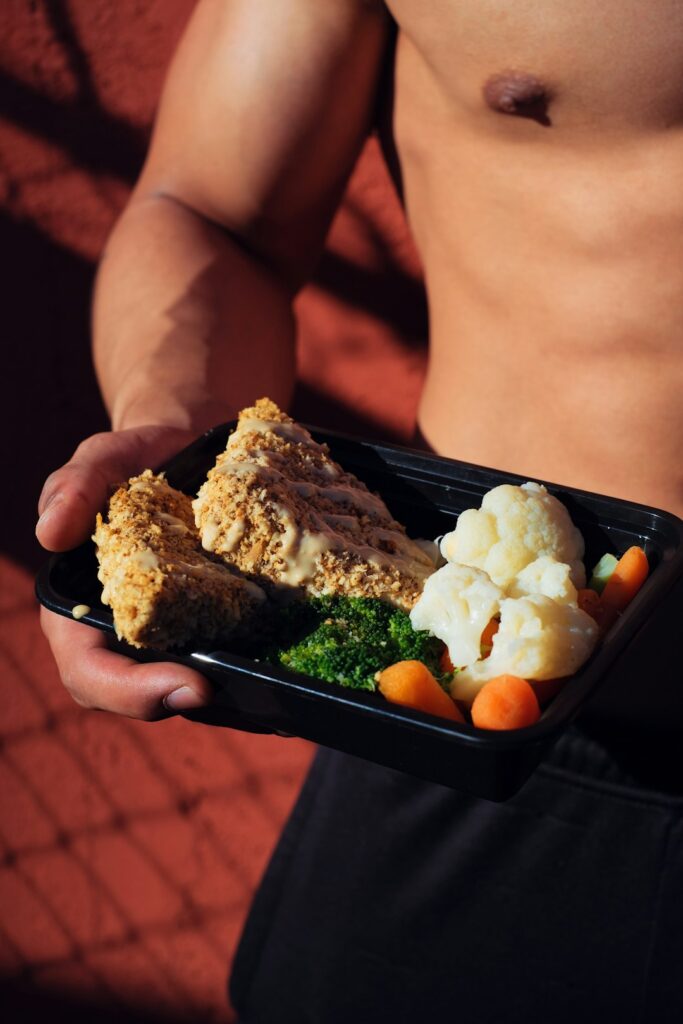
Building muscle requires more than lifting consistently. The body also needs enough total energy, protein, carbohydrates, dietary fat, fluids, and recovery time to repair and add muscle tissue. For residents of San Diego, CA, practical nutrition should also account for warm, dry conditions, active outdoor routines, and busy household schedules.
How many calories are needed to gain muscle?
A modest calorie surplus supports muscle growth more reliably than trying to gain weight as quickly as possible. Many adults can begin by eating roughly 200 to 300 calories above their usual maintenance intake, then adjust based on changes in body weight, gym performance, appetite, and waist measurements.
A useful rate of gain is approximately 0.25% to 0.5% of body weight per week. Faster increases may add more body fat than muscle, while no change over several weeks may indicate that food intake is too low.
Rather than relying on a single daily weigh-in, look at weekly averages. Body weight can shift because of hydration, sodium, carbohydrate intake, digestion, and sweat loss. This matters especially during warm weather or after outdoor activity.
If weight is not increasing after two to three weeks, add a small amount of food, such as:
- An additional serving of rice, oats, potatoes, or whole-grain bread
- A handful of nuts with fruit
- Yogurt, milk, or a fortified milk alternative
- An extra portion of beans, eggs, fish, poultry, or tofu
How much protein supports muscle growth?
Most people who resistance train for muscle gain can aim for approximately 1.4 to 2.0 grams of protein per kilogram of body weight per day. For a 180-pound adult, that equals roughly 115 to 165 grams daily.
Protein intake works best when spread across the day instead of consumed almost entirely at dinner. A practical target is 20 to 40 grams at each of three or four meals, depending on body size and total calorie needs.
Protein-rich foods include:
- Eggs and dairy foods
- Fish, poultry, lean meats, and shellfish
- Tofu, tempeh, edamame, and beans
- Lentils and peas
- High-protein grains combined with legumes
- Fortified dairy or plant-based beverages
A meal does not need to be eaten immediately after training to be effective. Total daily protein matters most. Still, eating a protein-containing meal within a few hours before or after lifting can make it easier to meet daily needs and support recovery.
People following vegetarian or vegan diets can meet protein goals by combining varied foods throughout the day. Paying attention to total calories, iron, vitamin B12, calcium, and omega-3 fats may also be useful.
Why are carbohydrates important for lifting?
Carbohydrates provide readily available fuel for resistance training. Very low carbohydrate intake can make high-volume workouts feel harder, reduce training quality, and limit the ability to complete repeated sets.
Helpful carbohydrate sources include oats, rice, potatoes, corn, fruit, beans, whole-grain bread, pasta, and dairy foods. Less processed sources can provide fiber and micronutrients, but foods that digest easily may be more comfortable immediately before training.
A pre-workout meal two to four hours before exercise might include:
- Rice with chicken and vegetables
- Oatmeal with fruit, milk, and nuts
- A bean-and-potato bowl
- Whole-grain toast with eggs and fruit
For a smaller snack one hour before training, fruit, cereal with milk, yogurt, or toast may be sufficient. After training, combining carbohydrates with protein helps replace stored fuel and provides nutrients for tissue repair.
The right carbohydrate amount depends on training volume, body size, and daily activity. Someone lifting three times per week may need less than someone combining frequent weight training with cycling, running, hiking, or other outdoor activity.
How much dietary fat should be included?
Dietary fat supports hormone production, cell function, absorption of vitamins, and overall calorie intake. Extremely low-fat diets can make it harder to maintain health and adequate energy.
Useful sources include avocados, olive oil, nuts, seeds, eggs, dairy foods, and fatty fish. These foods are calorie-dense, so portions should match the individual’s goals. A tablespoon of oil, a small handful of nuts, or half an avocado can add meaningful energy without requiring a much larger meal.
Fat does not need to be avoided before exercise, but very high-fat meals may digest slowly for some people. Meals close to training can be adjusted according to comfort and personal tolerance.
How should hydration be handled during training?

Hydration supports physical performance, concentration, temperature regulation, and recovery. Water is often enough for ordinary strength sessions, but fluid needs rise with heat, humidity, longer workouts, heavy sweating, and outdoor activity.
Useful habits include:
- Drink regularly throughout the day rather than waiting until training begins.
- Bring water to longer or outdoor sessions.
- Replace fluids after unusually sweaty workouts.
- Include sodium through ordinary meals when substantial sweat loss occurs.
- Monitor thirst, energy, headache, and urine color as general clues, not perfect measurements.
Large amounts of plain water consumed rapidly can also be unsafe. Individuals with kidney, heart, or endocrine conditions may need personalized fluid guidance.
Are supplements necessary for muscle gain?
No supplement can replace adequate calories, protein, progressive resistance training, and sleep. A varied diet generally provides the vitamins and minerals needed by healthy adults who eat enough food.
Creatine monohydrate is one supplement with substantial evidence for improving repeated high-intensity performance and supporting gains from resistance training. A common maintenance amount is 3 to 5 grams daily. It can increase scale weight because muscles retain more water, which is not the same as gaining body fat.
People with kidney disease, pregnancy, medication concerns, or other medical conditions should discuss supplementation with a qualified healthcare professional before using it. Products marketed as muscle-building shortcuts may contain undeclared ingredients or make claims unsupported by good evidence.
What does a simple muscle-building day of eating look like?
A practical day might include:
- Breakfast: oats with milk, berries, nuts, and eggs
- Lunch: rice, beans, vegetables, avocado, and tofu or poultry
- Pre-workout snack: fruit with yogurt or toast with a protein-rich topping
- Dinner: potatoes or whole-grain pasta with fish, lean meat, or lentils and vegetables
- Evening option: cottage cheese, Greek-style yogurt, fortified soy beverage, or a bean-based snack
Portions should be adjusted according to body size, appetite, training demands, and progress. Meals prepared at home can make it easier to control protein portions and maintain consistent eating during demanding workweeks.
What common nutrition mistakes slow muscle gain?
The most common problem is not a lack of advanced knowledge. It is inconsistency.
Frequent mistakes include eating too little because of fear of fat gain, skipping carbohydrates, relying on protein shakes while neglecting total calories, changing the plan every few days, and assuming that soreness proves a workout was productive.
A better approach is to track a few basics for several weeks: body-weight trends, approximate protein intake, training performance, sleep, and hunger. If progress stalls, make one measured change rather than overhauling the entire diet.
People with a history of disordered eating, significant digestive symptoms, diabetes, kidney disease, or unexplained weight changes should seek individualized medical or nutrition guidance before making major dietary changes.